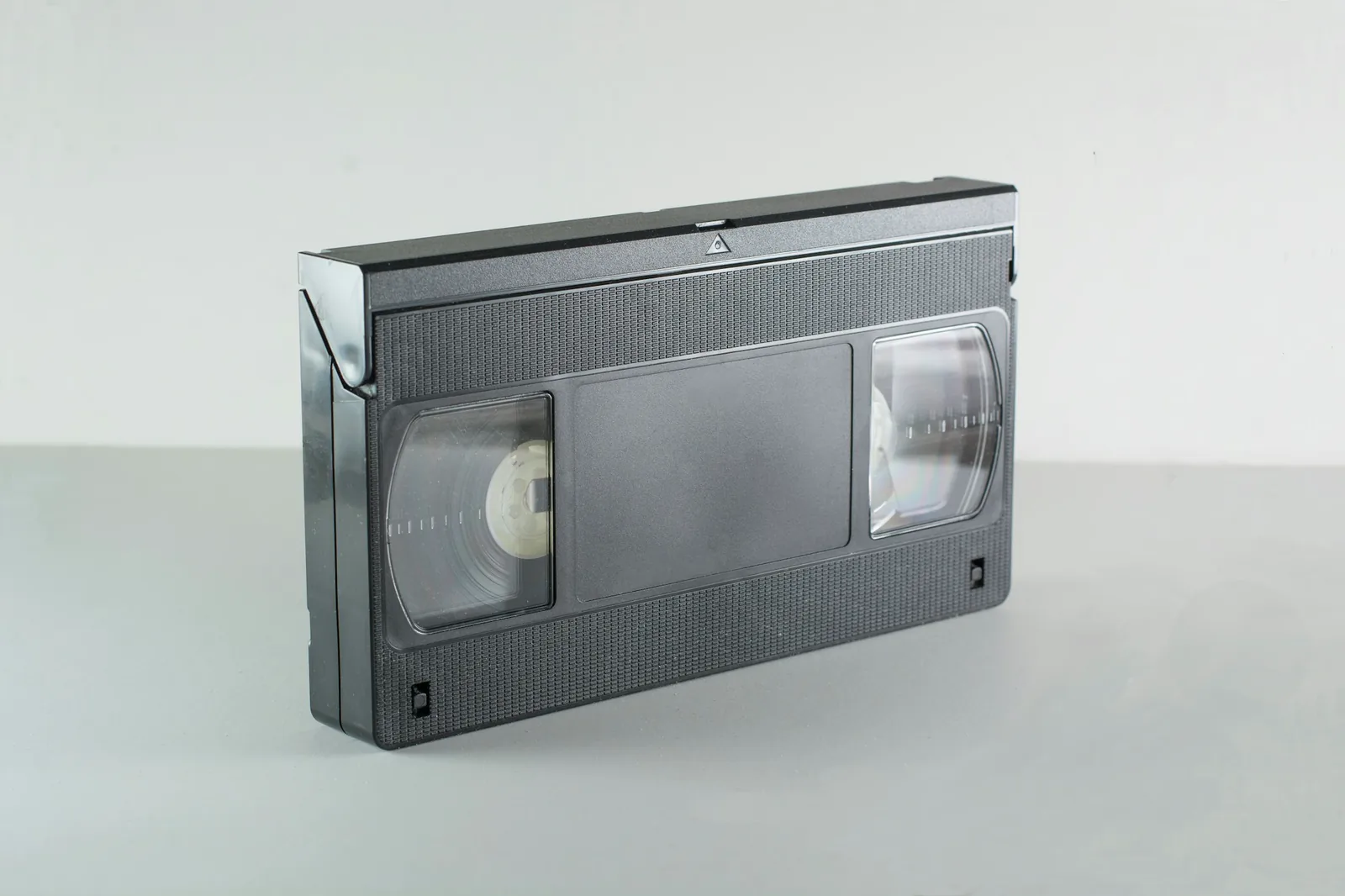
The chorus on a 1989 rental
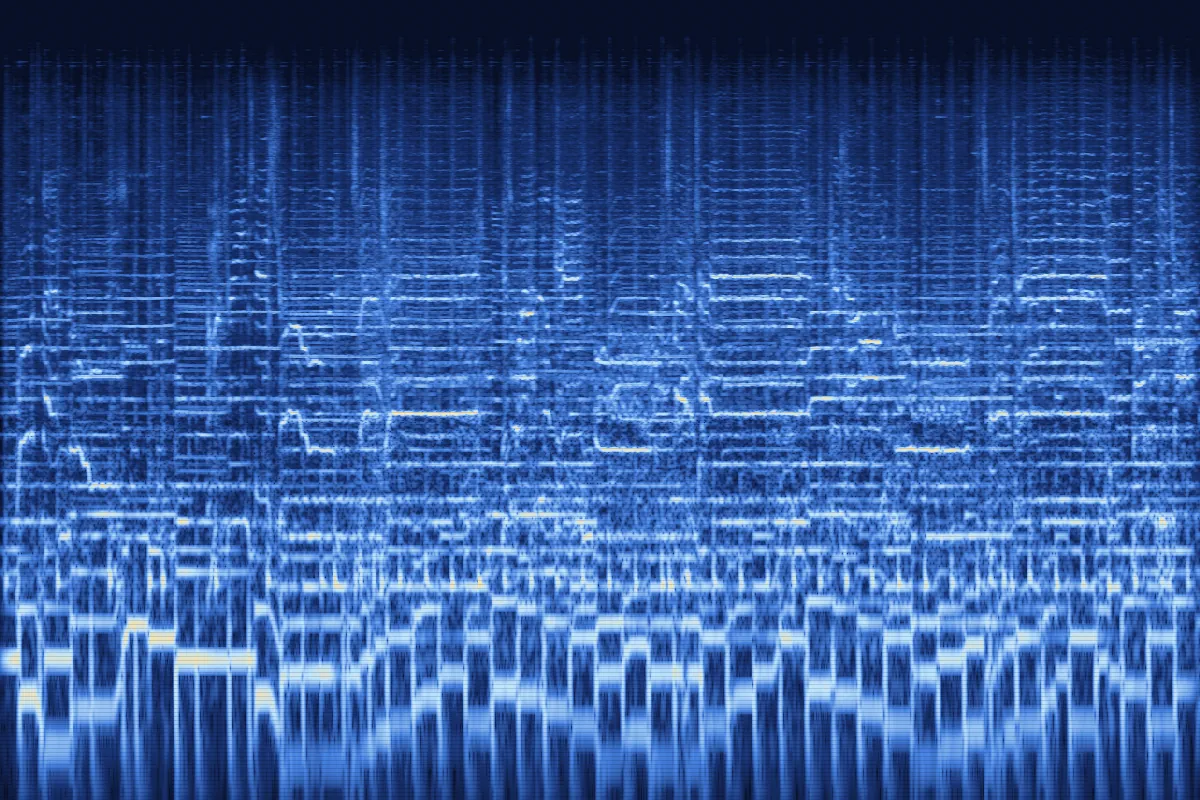
Mono, a band that ends near 8 kHz and a wobble of about ±0.4%. Energy above 10 kHz falls from −26 dB to −44 dB of the total, and hiss fills the space the music leaves.
- Bandwidth 9 kHz
- W&F ±0.42%
- SP · MONO
Free · runs in your browser
This VHS audio effect plays your song, voice or clip as if it came off a videotape: the pitch drifts with wow and flutter, hiss sits under everything, the top end stops short and an old tape drops out for a split second. Start from a 1989 rental tape, a camcorder or Hi-Fi VHS and download MP3 or WAV.
Spare Change — full mix
0:30 · band 9 kHz · W&F ±0.42% · MONO
Free · no signup · rendered in your browser
Rental tape 1989: the mono linear track of a much-played rental — top end around 8 kHz, steady hiss, a gentle wobble and the odd dropout.
Examples
Four renders of our demo song, each from a different tape. Press play, then flip Original ⇄ VHS at the same spot.


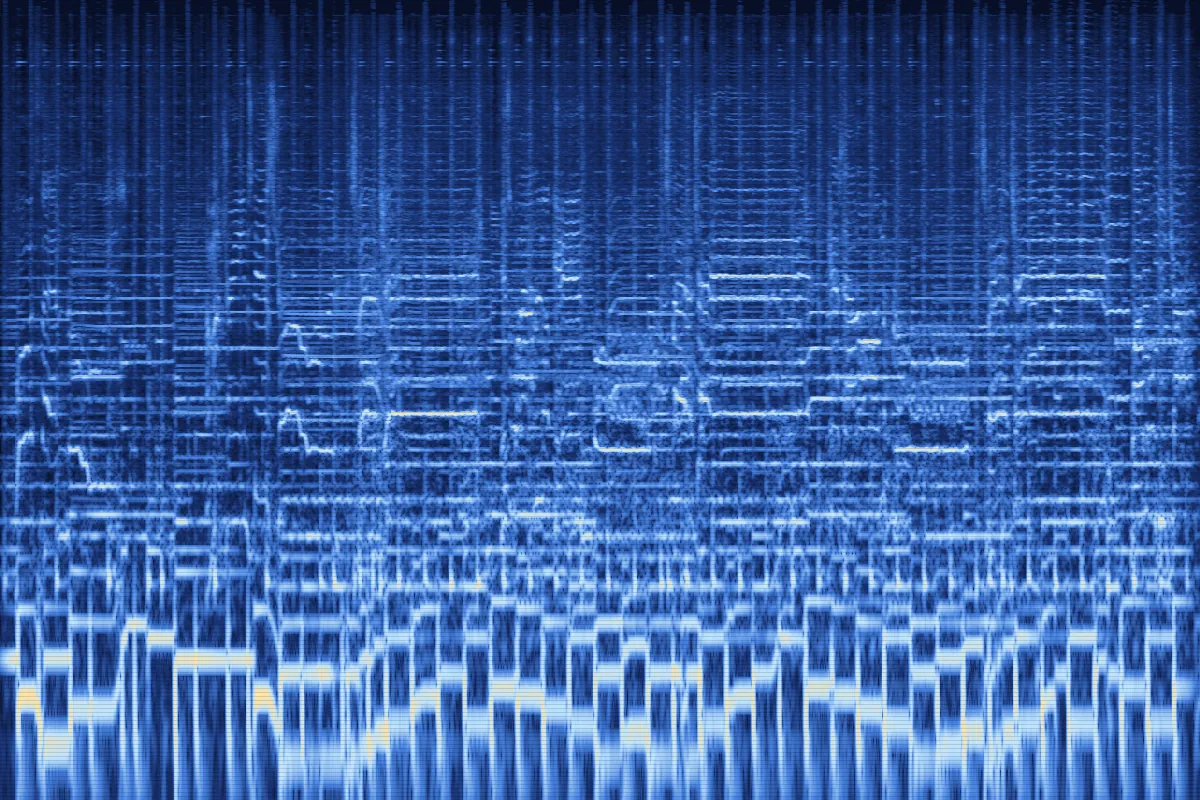
Mono, a band that ends near 8 kHz and a wobble of about ±0.4%. Energy above 10 kHz falls from −26 dB to −44 dB of the total, and hiss fills the space the music leaves.

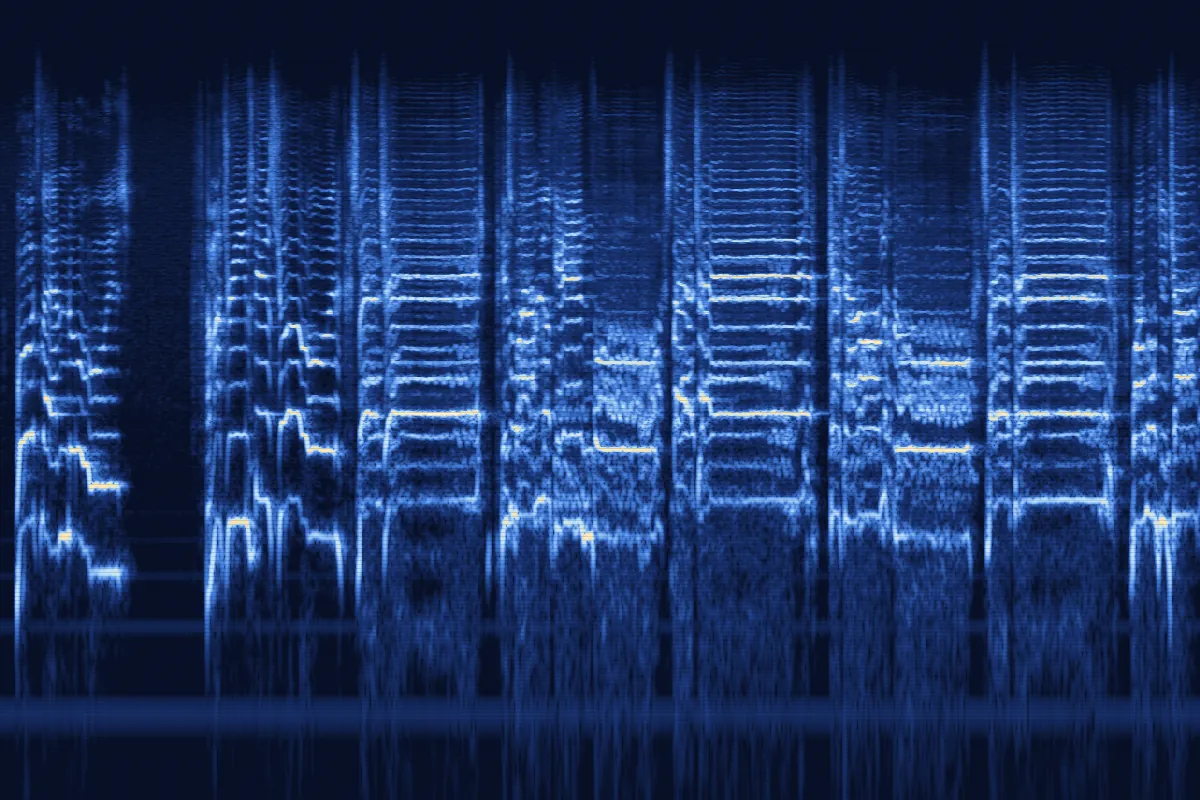
Automatic gain squashes the singer, hiss rises in every pause and a faint 60 Hz hum shows up as lines at the bottom.

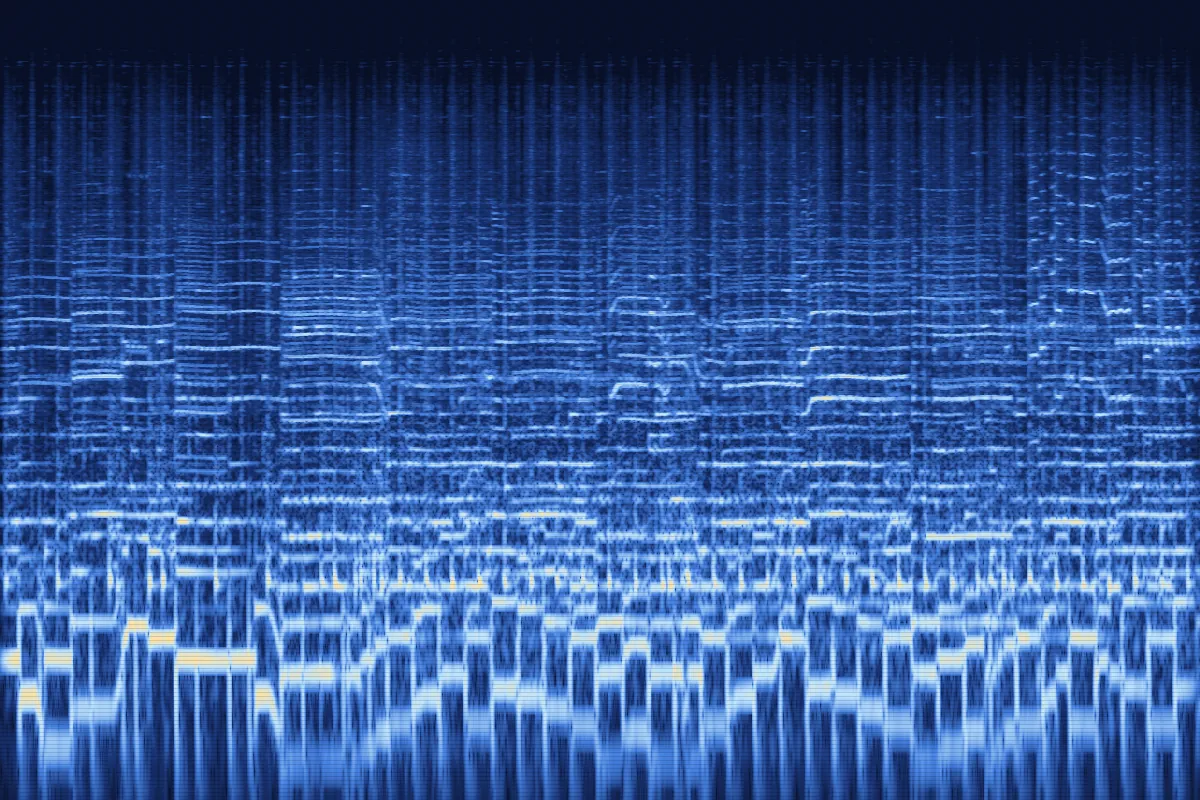
Stereo stays, but the pitch swings about ±1% and saturation rounds off the peaks — the tape sound behind a lot of lo-fi beats.

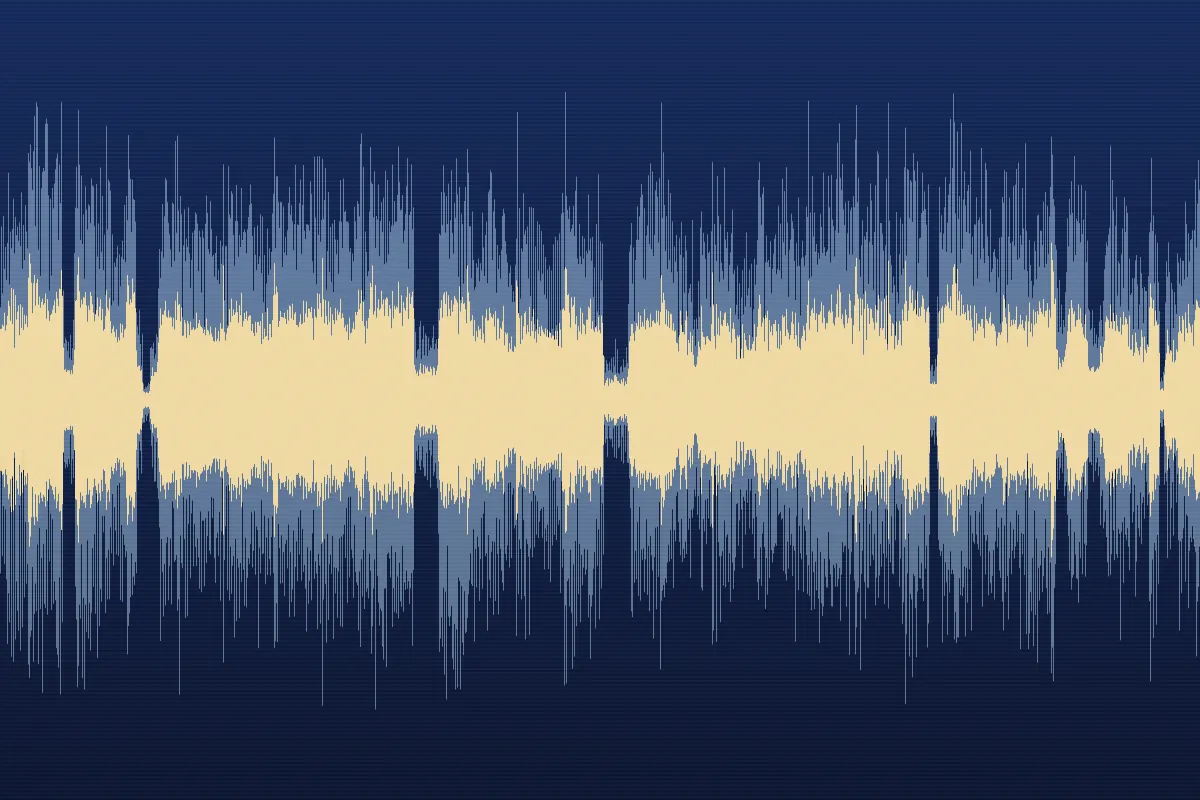
Eight seconds of the Worn-out render: ten dropouts, each a short dip where the level and the highs vanish together.
Three pictures are spectrograms of the exported file (time left to right, pitch upwards, brighter = louder): see the darker top band, the hiss filling the gaps and the 60 Hz hum lines at the bottom. The Worn-out picture is an 8-second waveform where each notch is a dropout.
How to
Three steps, no plug-ins. Works on songs, voice-overs and the soundtrack of a video.
Drop in a song, a voice-over or audio from your video — MP3, WAV, M4A, OGG or FLAC up to 50 MB (500 MB with Pro) — or start with a demo track.
Start from Rental tape 1989, Camcorder, Worn-out, Hi-Fi VHS or Lo-fi beat, then move Wow & flutter, Hiss, Bandwidth and Age while it plays.
Press B to flip Original ⇄ VHS at the same spot, then save a 192 kbps MP3 (320 with Pro) or a WAV for your edit.
Settings explained
Every control copies one thing a real VCR did to sound. The graphs come from the same code that plays your audio.
Tape never runs at one exact speed. Slow drift (wow, below 1 Hz) bends long notes; fast jitter (flutter, 7–12 Hz) roughens them. Rental tape sits near ±0.4%, Lo-fi beat near ±1.1%.
The steady noise of the magnetic particles, strongest around 2–10 kHz. It sits behind the music and is filtered by the same bandwidth limit, as on a real deck.
The top of the frequency band, from 3 kHz to 18 kHz. Around 10 kHz is the linear track at SP speed, 4–5 kHz is EP, and 15 kHz upwards is Hi-Fi. The low cut follows: about 90 Hz on linear, 22 Hz on Hi-Fi.
Drives the signal into a soft tanh curve, then a gentle compressor — the rounded, squeezed loudness of tape and of camcorder automatic gain.
Brief losses of signal where oxide or dust lifts the tape off the head: the level dips and the highs vanish for 25–200 ms. Three fixed layers fade in as you raise it, so every export repeats exactly.
Wear on top of everything else: up to 8 dB less treble, a narrower band, more hiss, wobble and dropouts, and a slow breathing of the level.
Presets
Each tile plays a demo clip through one preset; the table shows the values each one really uses once Age is applied.

Rental tape 1989 · full mix0:30
Rental tape 1989: the mono linear track of a much-played rental — top end around 8 kHz, steady hiss, a gentle wobble and the odd dropout.

Hi-Fi VHS · instrumental0:30
Hi-Fi VHS: the FM stereo tracks — full range and almost clean, with just a trace of tape.

Worn-out · verse0:30
Worn-out: a copy of a copy left in the attic — dull, warbly, buzzing and full of dropouts.

Lo-fi beat · instrumental0:30
Lo-fi beat: stereo kept, heavy warble and warm saturation for beats and study mixes.
| Preset | Band | W&F | Hiss | Dropouts | Track | Best for |
|---|---|---|---|---|---|---|
| Rental tape 1989 | 7.9 kHz | ±0.42% | -47 dB | 29% | SP · MONO | Retro edits, movie-night intros |
| Camcorder | 6.5 kHz | ±0.57% | -44 dB | 20% | SP · MONO | Fake home videos, vlogs |
| Worn-out | 3.5 kHz | ±1.13% | -34 dB | 91% | SP · MONO | Horror, found footage |
| Hi-Fi VHS | 18 kHz | ±0.06% | -61 dB | 6% | HI-FI · STEREO | Subtle nostalgia, music videos |
| Lo-fi beat | 6.9 kHz | ±1.08% | -45 dB | 20% | SP · STEREO | Beats, study mixes |
Use cases
Analog sound tells the audience when a scene happens. Each card plays the demo with the settings shown.

Rental tape 1989 · full mix0:30
Match the audio to a VHS-filtered video: the rental-tape sound sells the 80s look far more than a filter on the picture alone.

Worn-out · vocals0:30
A worn tape makes a voice feel recovered rather than recorded. Push Dropouts and Age, keep the words just intelligible.

Camcorder · verse0:30
For a throwback reel or a vlog intro, the camcorder preset gives a phone recording the squashed, hissy sound of a family tape.
Behind the sound
The VHS sound is not one thing: it depends on which audio track the deck played and how worn the tape was. Facts checked November 2026.

The original VHS audio was written by a fixed head along the edge of the tape, which crawled past at only 33.35 mm/s in SP mode (NTSC). That speed set the limits: a band of roughly 100 Hz to 10 kHz, audible hiss and a wobble you could hear on sustained notes. Slower LP and EP modes fit more hours on a tape and made all of it worse.
Some early-to-mid 1980s decks split the edge into two stereo tracks and used Dolby B noise reduction to push the hiss back, but most decks and most tapes stayed mono.
Sony's Beta Hi-Fi arrived in 1983 and JVC's VHS Hi-Fi in 1984. The video heads wrote audio as FM carriers (1.3 and 1.7 MHz on NTSC) deep under the picture: 20 Hz–20 kHz, stereo, 80–90 dB of dynamic range and wow & flutter around 0.005%. Its quirks were a faint head-switching buzz and pumping noise reduction. Studio releases usually carried Hi-Fi plus a linear track (mostly mono), so every deck could play them.
Most consumer camcorders, including VHS-C, recorded mono on the linear track from a built-in mic with automatic gain and no manual level. The gain pumped the background hiss up in every pause, and the mic heard the zoom motor and every bump.
Hiss is random noise from the magnetic particles themselves. Dropouts happen when shed oxide, dust or a crease lifts the tape off the head for an instant: the highs go first, then the level.
| Audio track | Tape speed | Frequency range | Noise / dynamics | Wow & flutter | Channels |
|---|---|---|---|---|---|
| Linear, SP | 33.35 mm/s | ≈ 100 Hz–10 kHz | S/N ≈ 42 dB | ≲ 0.4% | Mono (stereo + Dolby B on some decks) |
| Linear, EP | 11.12 mm/s | ≈ 100 Hz–4/5 kHz | Worse than SP | ≈ 0.5–0.75% | Mono |
| Hi-Fi (FM) | Rotating video heads | 20 Hz–20 kHz | 80–90 dB | ≤ 0.005% | Stereo |
Tape warble is a big part of what makes lo-fi music sound lo-fi. For the slowed-down, pitched-down tape sound of Houston rap, try the chopped and screwed maker.
FAQ
Short answers about the VHS sound and about this tool.
Drop your file into the VHS audio effect above and pick Rental tape 1989. For a heavier tape sound raise Wow & flutter, Hiss and Age; for a cleaner one pick Hi-Fi VHS. Then download MP3 or WAV.
Speed changes in the tape transport. Wow is the slow part (under about 1 Hz) that makes long notes bend; flutter is the fast part (several hertz) that makes them sound rough. Both change the pitch, which is why VHS music wobbles.
The mono linear track ran very slowly past a fixed head, so it couldn't record much above about 10 kHz and its hiss was only around 42 dB below the signal. Hi-Fi VHS fixed both, but many tapes and decks played the linear track.
Linear audio sits on a narrow strip at the tape edge: mono on most decks, roughly 100 Hz–10 kHz, audible hiss and wobble. Hi-Fi audio is recorded by the spinning video heads as FM: stereo, 20 Hz–20 kHz and almost no wobble.
Yes. The Lo-fi beat preset keeps stereo, adds a strong warble and warm saturation and leaves out hum. Lower Hiss if the beat already has vinyl crackle.
It's free, with no signup and no watermark. Your file is processed in your browser and never uploaded. MP3, WAV, M4A, OGG and FLAC files up to 50 MB and 10 minutes work for free; Pro opens files up to 500 MB and 2 hours.
Choose a tape, hear the VHS sound live and download it. No signup, no watermark.
Free · no signup · no watermark · processed in your browser